
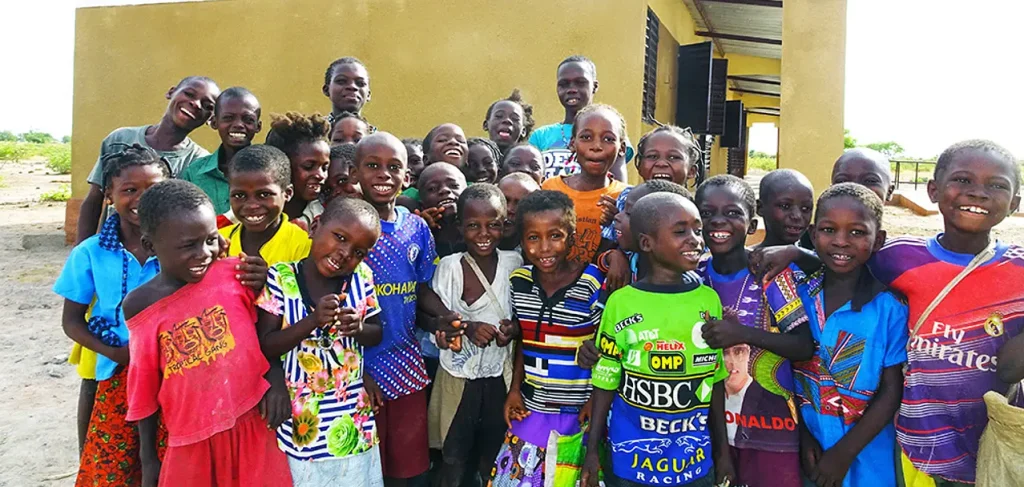

Hope for the Needy Uganda (HONU) is a Christian faith-based not for profit organization operating in the rural area of Kitokolo village, Kizibawo parish, Bukuya Sub-county Kassanda District. The area of services however extends to Mityana, Mubende, Hoima, Kiboga and currently Kampala and Wakiso Districts where some of the students in HONU schools come from. The Vocational Institute has for the last two years enrolled students from Kumi, Pallisa, Bukedea and Butebo Districts in Eastern Uganda.
Since the last 44 Years (started in 1981), HONU continues to engage in serving communities in abject poverty with a Vision of having, “A Transformed and Empowered Community for Self-reliance”.
This is achieved through Skilling, with Education, Health, Spiritual and Economic empowerment programs.
History Of HONU
Hope for the Needy Uganda or the Kitokolo Project, is an initiative of a local social-prenuer, who forty years ago was concerned of the fate and social plight of the Kitokolo community in Bukuya sub County of Greater Mubende District then. The community was experiencing a high burden of morbidity, from infectious and contagious and communicable ailments like sexually transmitted disease, malaria, Tuberculosis and HIV Aids. The community was essentially anchored in back ward traditional practices and cultures, secularism, lack of formal and social education, poverty and high unemployment.
Forty years down the road, some changes can be recognized like increase in literacy levels, improved housing, use of solar power and creeping urbanization. However, this has come about at the expense of increase in population density of 163 persons per square kilometer compared to 60 persons per Sq. Km in 1986. Land scarcity, and intensive soil mining are leading to decreasing agricultural production and productivity exacerbating food insecurity in the area. Poverty and unemployment, coupled with wide spread ignorance and lack of tradable skills are bedeviling the
people of Bukuya and Kitokolo community. Poor developmental attitudes and a quest for get rich quick phenomenon fueled by existence of gold mines which are draining the youth from agriculture are complicating the situation.